Address
304 North Cardinal
St. Dorchester Center, MA 02124
Work Hours
Monday to Friday: 7AM - 7PM
Weekend: 10AM - 5PM
Address
304 North Cardinal
St. Dorchester Center, MA 02124
Work Hours
Monday to Friday: 7AM - 7PM
Weekend: 10AM - 5PM
Practical tips, beginner guides, and simple advice for growing herbs, greens, and more indoors with confidence.
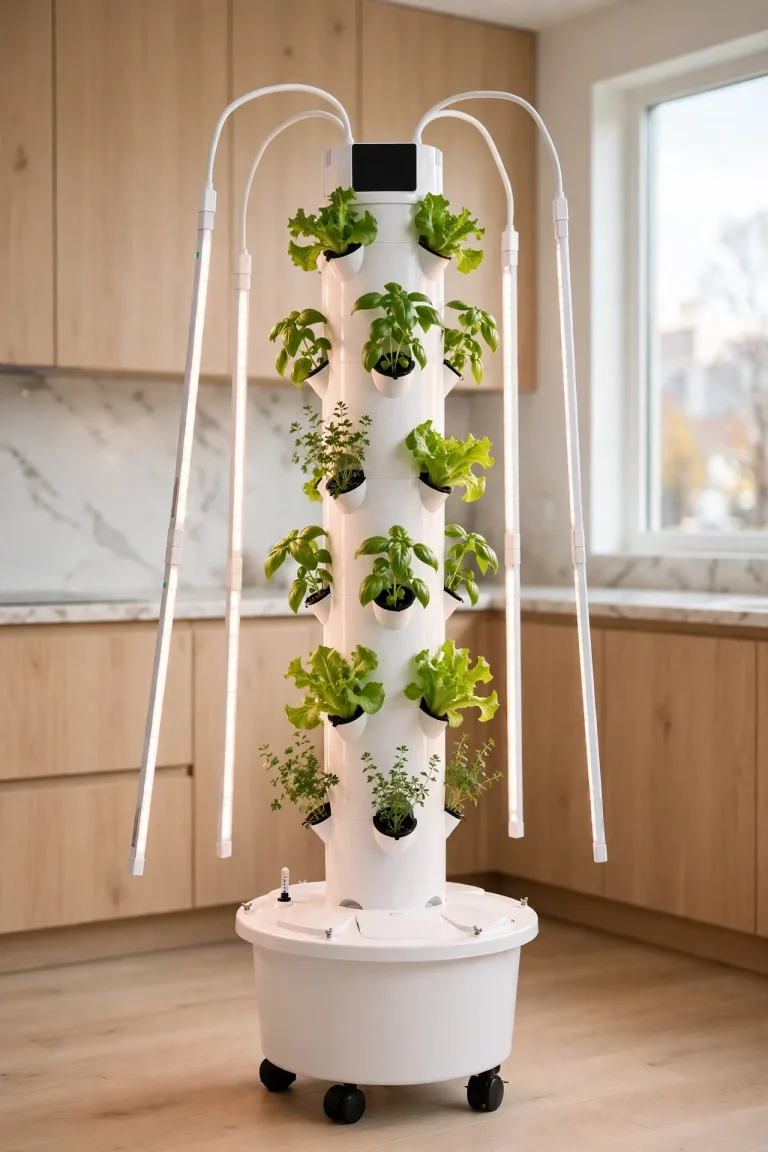
Carrots, corn, pumpkins, and fruit trees will waste your tower's pockets and nutrients. Here's the full avoid-list for hydroponic towers — why each crop fails, and what to grow instead.
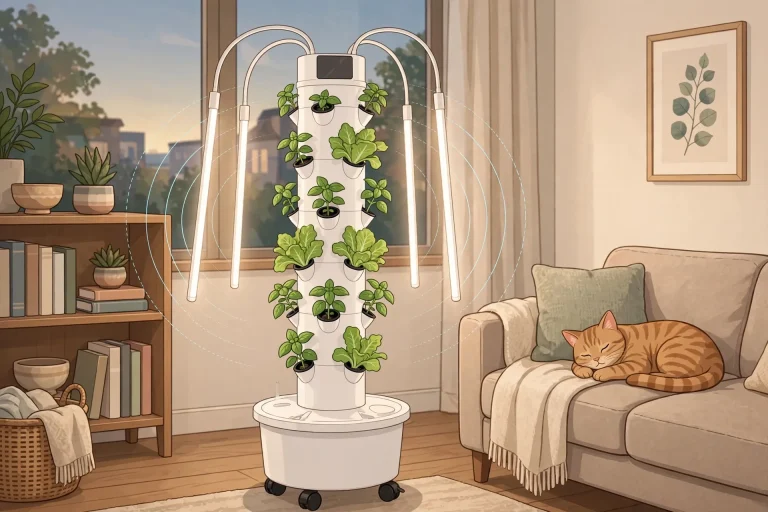
Most hydroponic tower pumps run at 30–45 dB — about as loud as a refrigerator hum. Here's what actually makes a tower noisy, and the fixes that keep it whisper-quiet in a bedroom or living room.
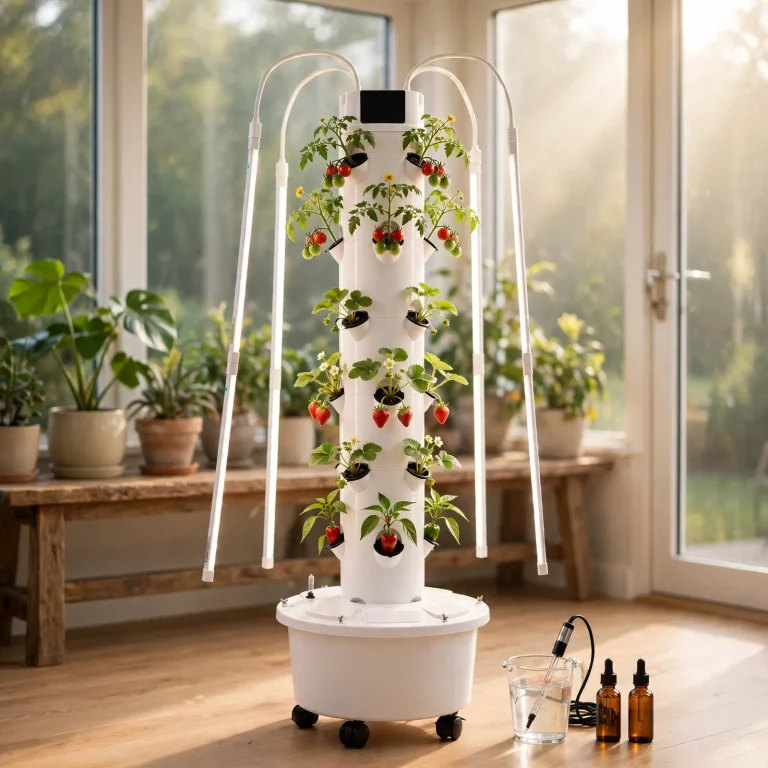
Two numbers decide hydroponic tower success: pH (5.5-6.5) and EC (0.8-2.0 mS/cm). This guide explains nutrients, target ranges by crop, mixing steps, and beginner mistakes - with a cheat-sheet table.
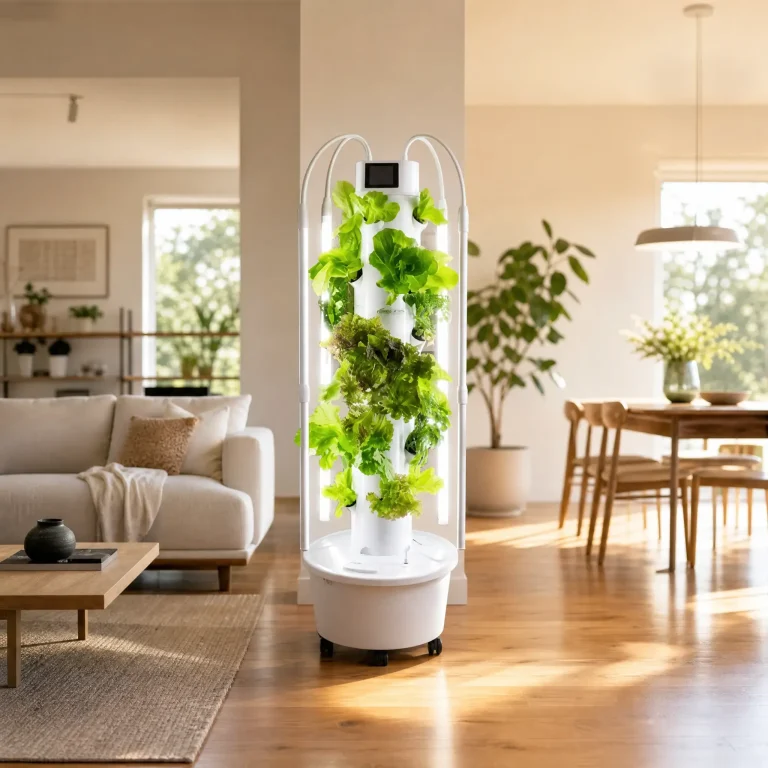
Hydroponic tower gardening grows plants vertically without soil: a pump circulates nutrient water from a base reservoir to the top, trickling down past the roots on a timer. This guide covers how towers work, which crops thrive — leafy greens, herbs, strawberries — how to mix nutrients and manage pH, lighting schedules, cleaning, and fixing common beginner problems.
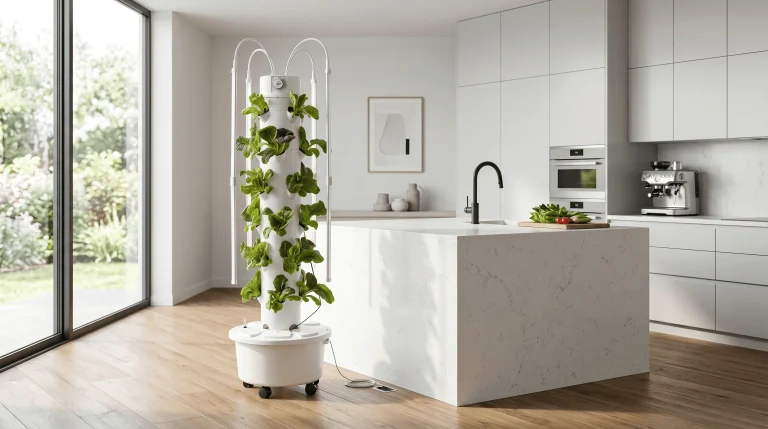
A hydroponic tower grows leafy greens and herbs best — lettuce, kale, spinach, basil, parsley, and cilantro — plus compact fruiting crops like strawberries and dwarf peppers. Skip root vegetables such as carrots and potatoes, which need soil depth, and vining tomatoes unless you add support. Match the crop to the pocket size and light, and towers stay productive year-round.
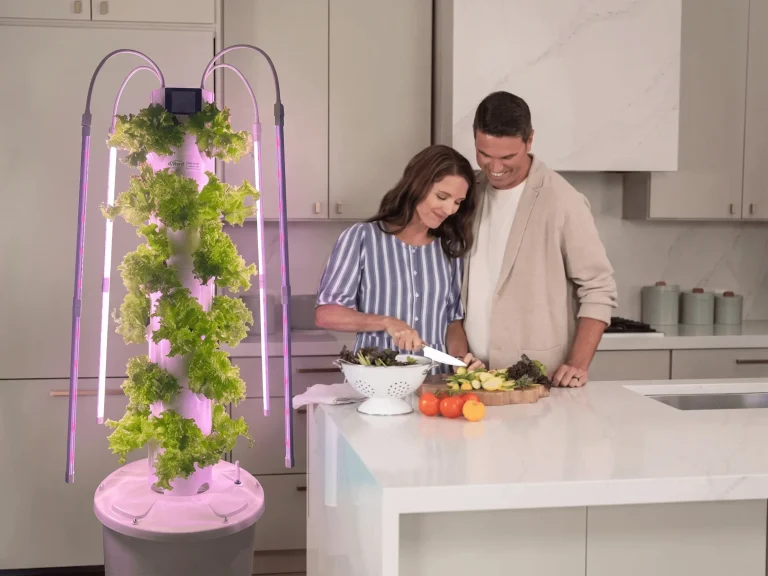
Indoor hydroponics beats traditional gardening on space, water use, and year-round growing — a tower fits under 3 square feet and recirculates up to 95% of its water — while soil gardening wins on simplicity, upfront cost, and crop range like root vegetables. For beginners in small homes who want fresh herbs and greens, hydroponics is the more practical pick.
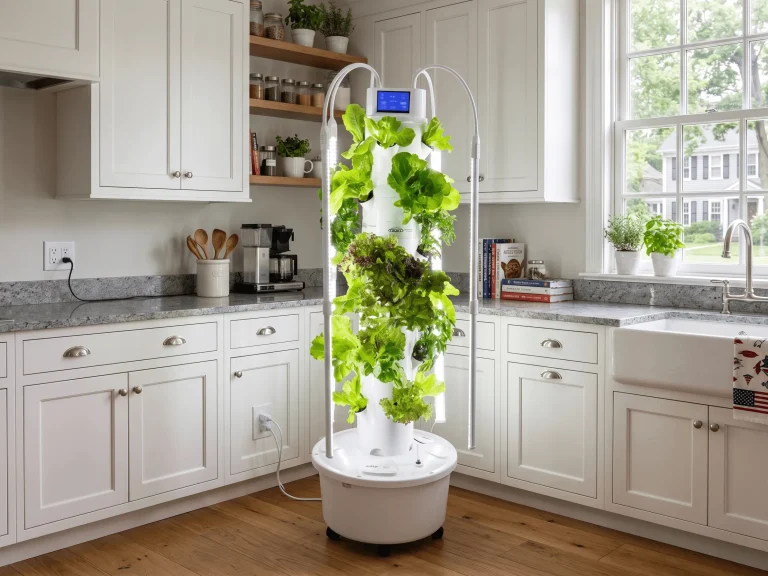
The best herbs for a hydroponic tower are compact, cut-and-come-again varieties: basil, parsley, cilantro, chives, and dill — plus mint, which deserves its own pocket because it spreads aggressively. They share similar light and nutrient needs, germinate quickly, and tolerate regular harvesting, giving you fresh cooking herbs steps from the kitchen all year.
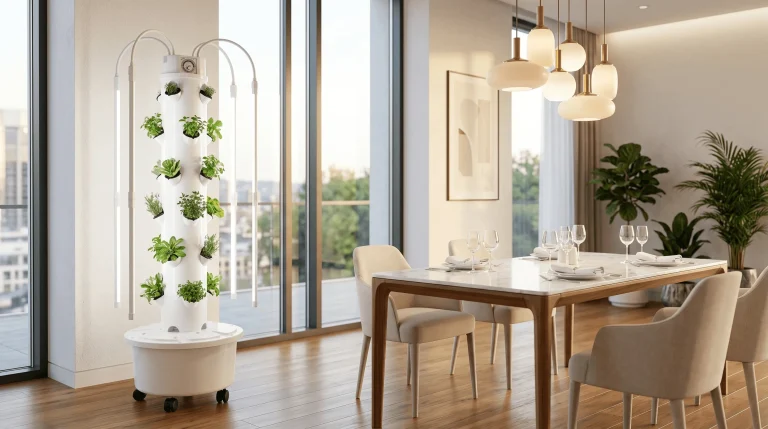
A hydroponic tower lets beginners grow fresh food without soil or a yard: water and nutrients circulate from a base reservoir to the top and trickle down past the roots on a timer. Start with easy crops like lettuce, basil, and parsley, keep pH between 5.5 and 6.5, and most towers largely run themselves after a 15-minute setup.
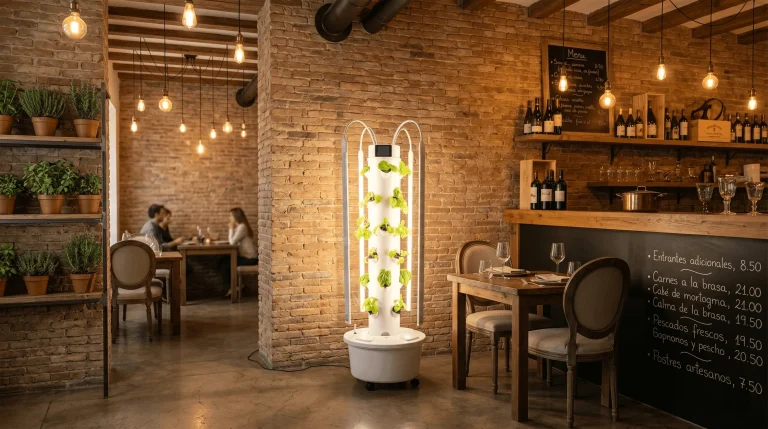
A hydroponic tower is a vertical garden that grows plants without soil: a pump in the base reservoir lifts nutrient-enriched water to the top, and it trickles down past the roots before recycling back. Stacking 24 to 96 planting sites into under 3 square feet of floor space, towers suit apartments and small homes where a garden bed won't fit.
