Address
304 North Cardinal
St. Dorchester Center, MA 02124
Work Hours
Monday to Friday: 7AM - 7PM
Weekend: 10AM - 5PM
Address
304 North Cardinal
St. Dorchester Center, MA 02124
Work Hours
Monday to Friday: 7AM - 7PM
Weekend: 10AM - 5PM
Bitter lettuce from your tower is plant stress, not bad luck. Diagnose the 5 causes — heat, bolting, water gaps, old leaves, genetics — and the fixes.
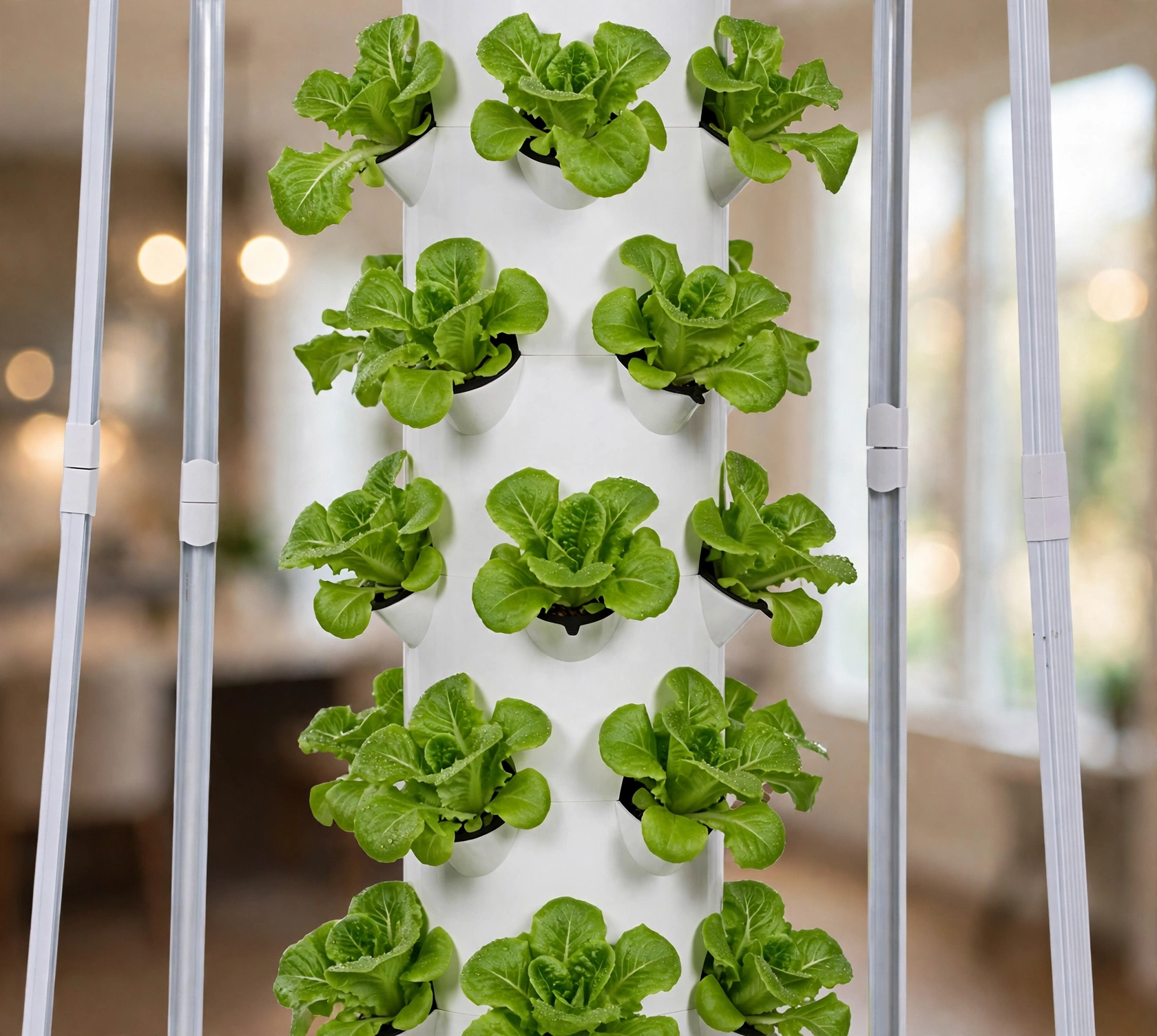
Bitter lettuce in your hydroponic tower is a stress signal, not bad luck — the usual culprits are heat, bolting, inconsistent water, overmature leaves, or a bitter-prone variety. The sharp taste comes from sesquiterpene lactones in the plant’s milky sap, and stressed plants make more of them. Fix the stress, harvest young, and your next batch comes out sweet.

Cut a lettuce stem and you’ll see it: a drop of milky white sap, sometimes called lactucarium. That sap carries the plant’s defense chemicals — a family of compounds called sesquiterpene lactones — and they’re what your tongue reads as bitter.
Every lettuce plant makes some of these compounds. When the plant is growing fast and conditions stay mild, the levels stay low and you never taste them. When the plant feels threatened — by heat, drought, age, or the hormonal shift toward flowering — it pumps out more, and the leaves turn sharp.
A hydroponic trial at the University of Florida’s Suwannee Valley center found that genotype and high growing temperature were the two major contributors to quick bolting in hydroponic lettuce, and that bolting, in turn, ramps up bitterness. The same trial confirmed that bitterness perception differs by lettuce type — so variety choice matters as much as temperature.
One nuance worth keeping: bitterness and bolting usually arrive together, but they aren’t the same thing. A leaf can taste sharp well before any flower stalk appears — that’s usually heat or water stress doing the work. A plant with a visible stalk has crossed a different threshold, and the fix is different. Diagnose which stage you’re at before you act.
Run through these five in order. Most bitter batches trace back to one or two of them.
Heat is the number-one suspect. Lettuce is a cool-season crop that grows best around 60–65°F. University of Minnesota Extension culture materials note that temperatures above 70°F combined with long days push lettuce toward bolting — and that high temperatures plus excess maturity are what cause bitterness.
In a tower, heat sneaks in through placement, not weather. A tower parked next to a sunny south-facing window, above a heat vent, or in a warm utility room can sit 10 degrees warmer than the rest of the house. Warm nights make it worse — the plant never gets its cool-down. Keep the growing area in the 60–70°F range during the day, and keep the reservoir itself below about 72°F (22°C) too, since a warm root zone stresses the plant from below.
Bolting is the plant’s switch from making leaves to making seeds. The center of the plant stretches upward, a stalk rises, and the leaves get narrower, smaller, and sharply bitter. Once that transition is underway, there’s no going back — Purdue Extension’s Rosie Lerner puts it plainly: “Bolting cannot be reversed once the flowering process has begun,” so affected plants should be replaced.
Heat and lengthening days are the main triggers; Purdue also notes that hot temperatures and dry soil make flowers come on faster. In a tower, the fix is preemptive: harvest before heat waves arrive, and if you see the center of the plant start to lift and elongate, harvest everything worth eating that same day — tomorrow’s leaves will be more bitter.
Lettuce is mostly water, and it notices when the supply wavers. Minnesota Extension’s cool-season crop guidance identifies heat and water stress together as the drivers of tough, bitter leaves — not heat alone.
Towers don’t dry out like soil beds, but the hydroponic version of water stress is real: a reservoir that runs near-empty before refills, a pump timer with long gaps between cycles, or clogged lines that leave upper tiers under-watered. Check the reservoir level weekly and top it up before it drops low, and make sure your pump cycle actually wets every tier. Consistent moisture won’t rescue a bolted plant, but it removes one more bitterness trigger from the equation. (Our water-change schedule covers the full reservoir routine.)
Even under perfect conditions, lettuce gets more bitter with age. Minnesota’s culture sheet states it directly: high temperatures and excess maturity cause bitterness. A head that has been sitting on the tower for weeks past its prime will taste sharper than the same plant harvested young — no failure required.
This is the easiest cause to fix and the most commonly overlooked. Harvest outer leaves weekly with a cut-and-come-again approach, and take heads while they’re full-sized but still young. The “just one more week for bigger heads” instinct is exactly how sweet leaves turn into bitter ones.
Some lettuce is simply born more bitter. The UF/IFAS hydroponic trial found that genotype was one of the two major contributors to quick bolting — meaning variety choice shapes both how fast a plant bolts and how bitter it tastes. Butterhead types are often cited as more heat-tolerant and slower to bolt; crisphead types tend to be more heat-sensitive.
If your setup is cool and consistent but every batch tastes sharp, the variety is the variable you haven’t changed. Next round, pick a bolt-resistant, heat-tolerant cultivar, and consider harvesting it as baby greens — young leaves are consistently milder than full-sized ones, whatever the variety.
| Cause | The sign to look for | The fix |
|---|---|---|
| Heat | Growing area above ~75°F for several days; tower near a sunny window or heat vent | Move the tower to a 60–70°F spot; keep the reservoir below ~72°F (22°C) |
| Bolting | Center stalk rising; leaves narrowing and getting smaller | Harvest immediately; pull and replant — it can’t be reversed |
| Inconsistent water | Reservoir runs near-empty between refills; wilting between pump cycles | Top up before the level drops; keep pump cycles steady and lines clear |
| Overmaturity | Large outer leaves; plant has been on the tower for weeks | Harvest outer leaves weekly, young; don’t wait for bigger heads |
| Variety | Bitter even in cool, consistent conditions from the first harvest | Switch to a bolt-resistant, heat-tolerant cultivar; try baby greens |
What this table can’t tell you: these causes stack. A heat-tolerant variety in a hot room will still bolt, and a bolt-resistant variety left unharvested for a month will still taste sharp. The table isolates each cause so you can diagnose, but in real towers two or three are usually working together — fix the obvious one first, then re-check. Also, this is a diagnosis aid, not a variety guarantee: even the mildest cultivar tastes bitter once it bolts.
It depends on which stage you’re at — and honesty matters here, because the wrong answer wastes your time.
If it’s bolting, the batch is done as salad. The hormonal shift toward flowering doesn’t reverse, and the bitterness keeps climbing. Harvest whatever outer leaves are still mild enough to eat, then pull the plants and replant. Purdue’s guidance is the same: replace affected plants rather than nursing them.
If it isn’t bolting, corrections can still help. Move the tower somewhere cooler, stabilize the water routine, and start harvesting young — the new growth that follows is usually milder than what stressed the plant earlier. What won’t happen: already-bitter leaves turning sweet. Bitterness doesn’t wash out of a leaf that’s already loaded with defensive compounds.
As for the bitter harvest itself, don’t compost it all. Lightly bitter leaves work in cooked dishes, where heat softens the sharpness, or mixed with sweet and fatty ingredients that balance it. Many growers soak bitter leaves in ice water — it can take the edge off, though it won’t erase the bitterness of a bolted plant. Think of it as damage control, not a cure.
Prevention is a short list. Do all seven and bitterness mostly stops showing up:
Bitter lettuce is the plant telling you something changed. Once you learn to read the signs — the rising center, the sharpening taste, the heat in the room — you catch the next batch before it turns. For more troubleshooting walkthroughs, browse our Growing Guides.
We reviewed source material on 2026-10-17.
Research describes general methods; it does not verify any specific model, product claim or customer outcome.
If the plant is bolting — sending up a flower stalk — it can’t be reversed, so harvest what’s still mild and replant. If it just tastes sharp from heat or age, fixing the stress usually makes new growth milder. Already-bitter leaves won’t turn sweet again.
Yes. The bitterness comes from the plant’s natural defense compounds in its milky sap, not from anything toxic. Bolted lettuce is safe to eat — it just tastes sharp. If the flavor is too strong raw, cooking softens it.
An ice-water soak can take the edge off mildly bitter leaves — it’s a common grower practice. But it won’t erase the deep bitterness of a bolted plant. Think of it as damage control for the current harvest, not a cure for the cause.
Aim for 60–65°F for the growing area, and keep the reservoir below about 72°F (22°C). Several days above ~75°F push lettuce toward bolting, and warm nights make it worse. Site the tower away from sunny windows and heat vents.
Heat-tolerant, bolt-resistant cultivars stay mild longest — butterhead types are often cited as slower to bolt, while crispheads are more heat-sensitive. Harvesting any variety as baby greens gives the mildest flavor.
Pick outer leaves weekly in a cut-and-come-again rhythm, and take heads while they’re full-sized but still young. Leaving plants on the tower for weeks past their prime is one of the most common reasons homegrown lettuce turns bitter.

